

Creating an inclusive and accessible environment for people with disabilities is a hallmark of a progressive and compassionate city. Accessibility goes beyond just wheelchair ramps and reserved parking; it encompasses public transportation, employment opportunities, healthcare, education, and recreational activities that allow individuals with disabilities to live independently and fully participate in society. Some cities around the world have made exceptional efforts to ensure accessibility, making them ideal for residents and travelers with disabilities. This article explores some of the most disability-friendly cities in the world, highlighting their outstanding features and commitment to inclusivity.
1. Copenhagen, Denmark

Copenhagen is one of the most disability-friendly cities in the world. It is celebrated for its inclusive and accessible urban design. The city prioritizes universal accessibility, making it easy for individuals with mobility impairments to navigate. Thoughtful planning ensures smooth movement throughout, fostering an environment where everyone, regardless of ability, can experience the city’s amenities comfortably and independently.
Key Features:
- Barrier-Free Infrastructure: Sidewalks are wide and equipped with tactile paving, and nearly all buildings have step-free access.
- Accessible Public Transport: Buses and trains are equipped with ramps, priority seating, and audiovisual announcements.
- Disability-Friendly Attractions: The Tivoli Gardens, the National Museum, and the Danish Design Museum all offer accessible facilities.
- Employment and Social Services: Denmark’s strong social welfare system provides financial support and employment opportunities for disabled individuals.
2. Berlin, Germany

Berlin, Germany’s capital, is one of the most disability-friendly cities in the world. It is recognized for its dedication to accessibility and inclusivity. The city has made significant efforts to eliminate architectural barriers, ensuring public spaces are easily navigable for everyone. Its commitment to universal design allows individuals of all abilities to move freely and enjoy urban life without limitations.
Key Features:
- Public Transport: The city’s U-Bahn and S-Bahn trains have designated wheelchair spaces, and almost all buses are equipped with ramps.
- Cultural Accessibility: Museums, theaters, and historical sites, such as the Berlin Wall Memorial and Brandenburg Gate, provide accessible features, including audio guides and sign language interpreters.
- Inclusive Policies: Berlin offers support programs, financial aid, and training to help disabled individuals integrate into society.
3. Stockholm, Sweden

Stockholm is widely praised for its high accessibility standards and dedication to equal rights for people with disabilities. The city continuously enhances public spaces and transportation, ensuring inclusivity and ease of access for all individuals, regardless of mobility challenges, and fostering a more equitable and welcoming environment.
Key Features:
- Universal Design Principles: The city follows universal design principles, ensuring that all public buildings and streets are easily navigable.
- Efficient Public Transport: The metro system has elevators and ramps, and buses are fully accessible.
- Healthcare and Assistance: Sweden’s healthcare system provides free or affordable medical assistance to individuals with disabilities.
- Cultural Inclusivity: The Vasa Museum, ABBA Museum, and Skansen Open-Air Museum are all accessible to disabled visitors.
4. Vienna, Austria
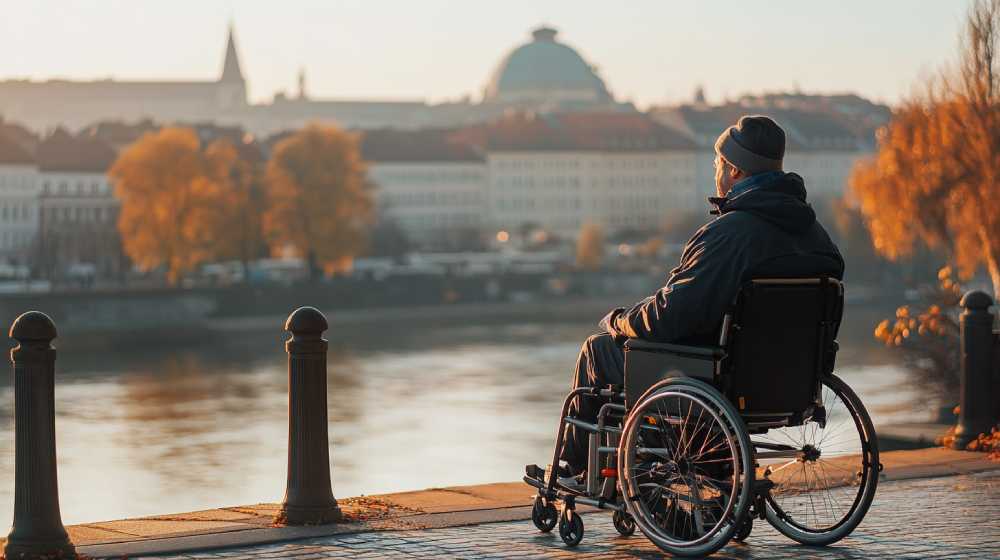
Vienna is among Europe’s most inclusive cities, prioritizing accessibility in cultural institutions, public spaces, and services. The city is committed to ensuring that everyone, regardless of ability, can fully participate in urban life, creating a welcoming and barrier-free environment for residents and visitors alike.
Key Features:
- Wheelchair-Friendly Transport: The city’s trams, buses, and subway stations are designed to accommodate wheelchairs.
- Accessible Tourism: Landmarks like Schönbrunn Palace and Belvedere Palace offer ramps, audio descriptions, and sign language tours.
- Financial and Social Support: Vienna offers various disability benefits, vocational training, and support programs for independent living.
5. Tokyo, Japan
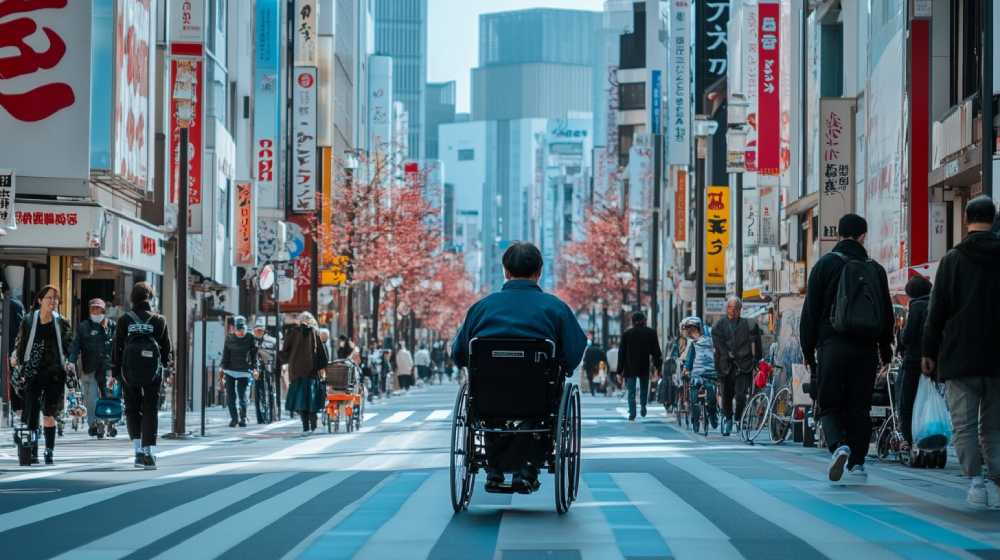
Tokyo, renowned for its futuristic infrastructure, has made significant progress in enhancing accessibility for people with disabilities. In recent years, the city has implemented inclusive designs in public transportation, buildings, and facilities, ensuring greater mobility and independence for all residents and visitors.
Key Features:
- Barrier-Free Public Transport: The metro system features elevators, tactile paving, and priority seating.
- High-Tech Assistance: Many train stations have robotic assistants and AI-powered services to help people with disabilities navigate.
- Inclusive Tourism: Popular attractions like the Tokyo Tower, Shibuya Sky, and teamLab Borderless offer accessibility features.
- Disability Employment Programs: The Japanese government provides incentives to businesses hiring people with disabilities.
6. Sydney, Australia

Sydney is considered one of the most disability-friendly cities in the Southern Hemisphere, providing an inclusive environment for residents and visitors alike. The city prioritizes accessibility in public spaces, transportation, and facilities, ensuring that individuals of all abilities can navigate and enjoy its many attractions with ease.
Key Features:
- Accessible Public Transport: Ferries, buses, and trains are wheelchair accessible.
- Beaches for All: Sydney’s beaches, such as Manly Beach and Bondi Beach, have accessibility mats and special wheelchairs for people with mobility impairments.
- Inclusive Attractions: The Sydney Opera House and Taronga Zoo provide sign language tours and accessible pathways.
- Healthcare Support: Australia’s National Disability Insurance Scheme (NDIS) provides financial aid and healthcare assistance.
7. Barcelona, Spain
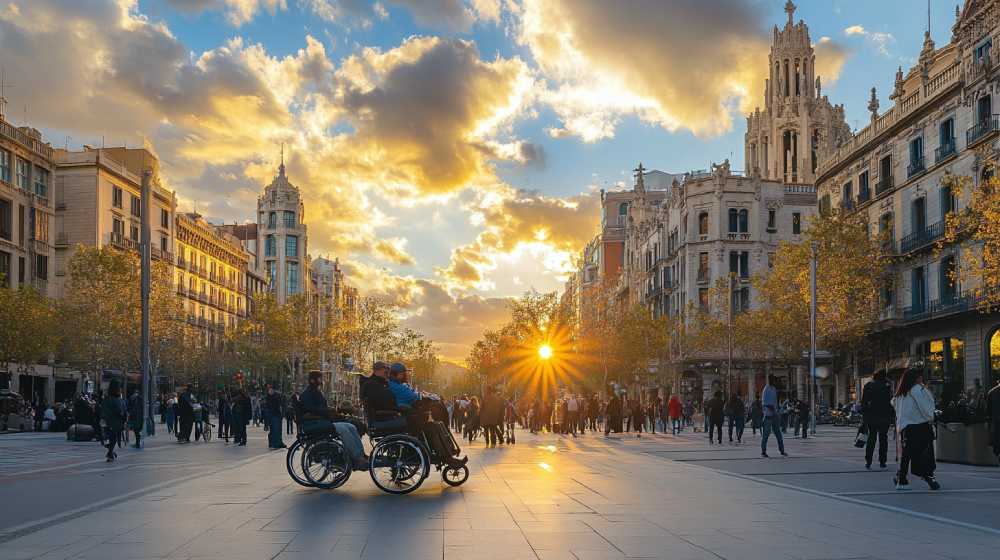
Barcelona is a leader in urban accessibility, providing one of the most inclusive environments for disabled individuals in Europe. The city prioritizes barrier-free public spaces, transportation, and facilities, ensuring ease of mobility and equal access to its cultural and recreational offerings for all residents and visitors.
Key Features:
- Fully Accessible Metro System: Most metro stations and buses are designed for wheelchair users.
- Accessible Beaches: Barcelona’s beaches have boardwalks, adapted showers, and beach wheelchairs.
- Cultural Accessibility: Attractions like La Sagrada Familia and Park Güell offer ramps and accessible tours.
- Government Support: The Spanish government provides numerous grants and subsidies for disabled individuals.
8. New York City, USA

New York City is a leader in disability rights and accessible infrastructure, continuously improving public spaces, transportation, and services. The city prioritizes inclusivity, ensuring individuals of all abilities can navigate and participate in urban life with greater ease and independence.
Key Features:
- Accessible Public Transport: NYC’s subway system has elevators, and all buses are wheelchair-friendly.
- ADA-Compliant Buildings: The Americans with Disabilities Act (ADA) ensures that most buildings are accessible.
- Cultural Landmarks: Museums, theaters, and parks provide sign language interpreters, tactile guides, and wheelchair access.
- Employment Opportunities: NYC offers various job programs and educational services for disabled individuals.
9. London, United Kingdom

London stands out for its commitment to accessibility and inclusivity, implementing extensive policies to support disabled individuals. The city continuously enhances public transportation, infrastructure, and services, ensuring equal opportunities and ease of mobility for all residents and visitors.
Key Features:
- Accessible Transport: The London Underground and buses are equipped with ramps, priority seating, and audio-visual announcements.
- Cultural Accessibility: Museums like the British Museum and the National Gallery offer guided tours and braille materials.
- Disability Rights Advocacy: The UK government enforces strong disability rights laws.
- Inclusive Education and Employment: London has numerous specialized schools and employment programs.
Conclusion
These cities have set an example by prioritizing accessibility and inclusivity, ensuring that individuals with disabilities can lead independent and fulfilling lives. Through barrier-free infrastructure, inclusive public transport, disability employment programs, and cultural accessibility, these cities prove that an inclusive society benefits everyone. As the world moves towards greater inclusivity, these cities serve as a model for others to follow.
