

Generosity has long been celebrated as a virtue in cultures worldwide, but beyond its moral and social significance, science has uncovered that giving is deeply intertwined with human well-being. Acts of generosity—whether through charitable donations, volunteering, or simple everyday kindness—can lead to profound psychological and physiological benefits. But how does generosity influence our happiness? What is happening in our brains and bodies when we give? In this article, we will explore the science behind generosity and how it impacts happiness from neurological, psychological, and social perspectives.
The Neurological Basis of Generosity (The Science Behind Generosity)

When a person engages in an act of giving, the brain reacts in ways that promote positive feelings. Neuroscientific studies have shown that generosity activates the brain’s reward system, particularly the mesolimbic pathway, which releases dopamine—a neurotransmitter associated with pleasure and satisfaction. This phenomenon, sometimes referred to as the “helper’s high,” explains why people often feel good after performing an act of kindness.
Additionally, studies using functional MRI scans reveal that giving stimulates the same regions of the brain that light up when we receive rewards ourselves. One study published in Nature Communications found that individuals who committed to spending money on others rather than themselves showed increased activity in the ventral striatum, a region linked to happiness.
Oxytocin, often dubbed the “love hormone,” also plays a crucial role. This hormone is released when people engage in social bonding and acts of kindness, fostering feelings of trust, empathy, and connection. Higher oxytocin levels have been linked to greater levels of generosity, which suggests a reinforcing cycle—giving increases oxytocin, which in turn encourages further generosity and strengthens social bonds.
The Psychological Benefits of Giving (The Science Behind Generosity)

Generosity has a profound impact on mental health, promoting emotional well-being and reducing stress levels. Several key psychological mechanisms explain why giving leads to happiness:
1. Enhancing Life Satisfaction
Research has consistently shown that people who engage in generous behaviors report higher levels of life satisfaction. A study by the University of Zurich found that individuals who made a deliberate choice to be more generous experienced a significant boost in their overall happiness compared to those who focused on self-interest.
2. Reducing Stress and Anxiety
Acts of generosity have been linked to lower levels of cortisol, the hormone responsible for stress. A study published in Psychosomatic Medicine found that individuals who regularly volunteered had lower stress levels and a reduced risk of developing hypertension. Additionally, engaging in acts of kindness can shift focus away from personal worries, offering a sense of purpose and meaning.
3. Combating Depression and Loneliness
Generosity fosters social connections, which are essential for mental health. Loneliness and depression are often exacerbated by social isolation, but giving—whether in the form of volunteering, helping a friend, or donating to a cause—creates opportunities for meaningful interactions. These interactions can elevate mood and reinforce a sense of belonging.
4. Boosting Self-Esteem and Confidence
Helping others instills a sense of accomplishment and boosts self-worth. When individuals see the positive impact of their actions, they feel more competent and valued, positively reinforcing their self-identity.
The Social Impact of Generosity

Generosity does not only benefit the giver on a personal level; it also has significant societal implications. Communities with high levels of generosity tend to be more cohesive, resilient, and supportive. Here are some ways in which giving fosters stronger social connections:
1. Creating a Ripple Effect
Generosity is contagious. When people witness acts of kindness, they are more likely to pay it forward. A study from the University of California, San Diego, demonstrated that one act of kindness can inspire three more acts, creating a chain reaction of generosity.
2. Strengthening Relationships
Giving strengthens bonds between individuals. Whether it’s helping a friend move, supporting a colleague, or donating to a loved one’s cause, acts of generosity enhance relationships by fostering mutual appreciation and trust.
3. Building a Sense of Community
Communities that encourage giving tend to have lower crime rates and higher levels of civic engagement. People feel more connected and invested in their communities when they engage in altruistic activities, leading to a more harmonious society.
The Biology of Generosity: How It Affects Physical Health

Beyond its psychological and social benefits, generosity also has tangible effects on physical health. Research has shown that engaging in generous behaviors can lead to improved cardiovascular health, increased longevity, and an even stronger immune system.
1. Lowering Blood Pressure and Heart Disease Risk
Studies indicate that acts of generosity, especially volunteering, are associated with lower blood pressure and a reduced risk of heart disease. A study by Carnegie Mellon University found that older adults who volunteered regularly had lower blood pressure than those who did not, suggesting that generosity contributes to heart health.
2. Enhancing Longevity
Giving is linked to a longer lifespan. A study published in the American Journal of Public Health found that individuals who provided tangible help to others had a lower mortality rate compared to those who did not engage in generous acts. This may be due to reduced stress levels and increased social interactions, both of which contribute to overall health and well-being.
3. Boosting the Immune System
Generosity can even strengthen the immune system. Acts of kindness have been shown to increase levels of immunoglobulin A, an antibody that plays a crucial role in immune function. Additionally, lower stress levels associated with giving help maintain a well-regulated immune response.
Practical Ways to Cultivate Generosity

Understanding the benefits of generosity is one thing, but how can we integrate it into our daily lives? Here are some practical ways to foster a generous mindset:
1. Practice Small Acts of Kindness
Generosity doesn’t always require grand gestures. Simple acts such as holding the door open, complimenting someone, or buying a coffee for a friend can make a difference.
2. Volunteer Your Time
One of the most valuable ways to give is through time. Whether it’s mentoring a student, helping at a shelter, or participating in community projects, volunteering has immense benefits for both the giver and the recipient.
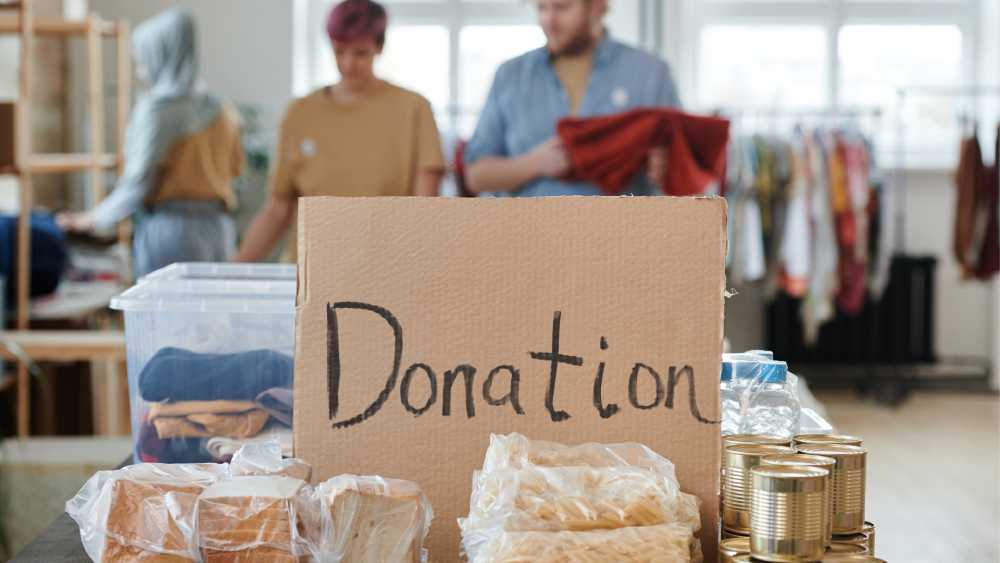
3. Donate to Causes You Care About
Financial generosity can be impactful, whether through direct donations or supporting crowdfunding campaigns. Giving within one’s means—no matter the amount—can still make a significant difference.
4. Encourage a Generous Mindset in Others
Teaching children the value of generosity from an early age can create a lifelong habit of giving. Setting an example and involving them in charitable activities can instill the importance of kindness and sharing.
5. Practice Gratitude
Recognizing and appreciating what we have makes it easier to be generous. Keeping a gratitude journal or reflecting on the positive aspects of life can encourage a mindset of giving.
Conclusion
The science behind generosity is clear—giving is not just an act of kindness but a powerful force that enhances happiness, strengthens social connections, and even improves physical health. Whether through charitable donations, acts of service, or simple daily kindness, generosity fosters a cycle of well-being that benefits both the giver and the receiver. By incorporating more acts of giving into our lives, we not only contribute to a better world but also enrich our happiness and fulfillment.
So, the next time you have an opportunity to give, remember that in doing so, you are not only helping others—you are also nurturing your well-being.
